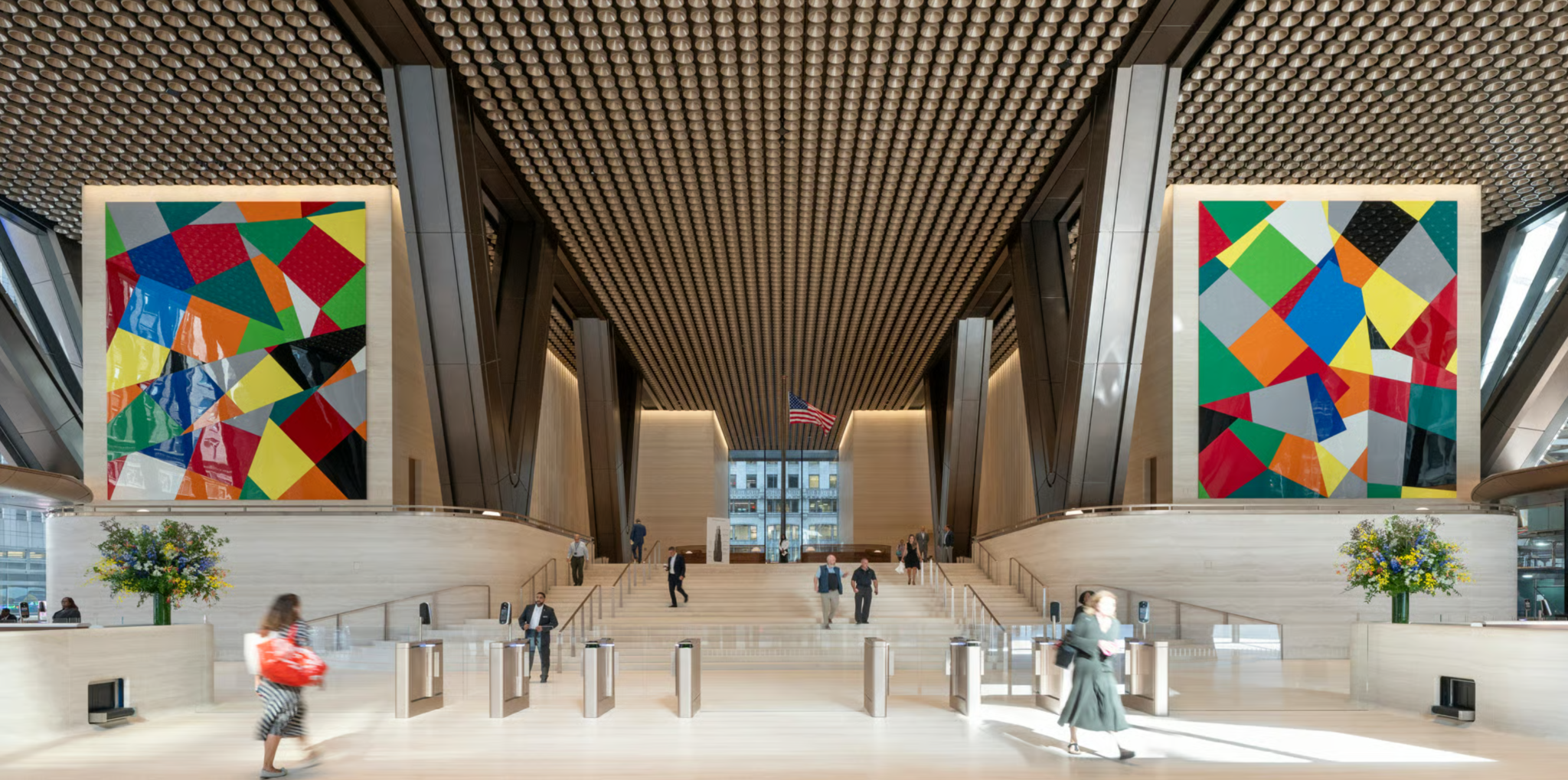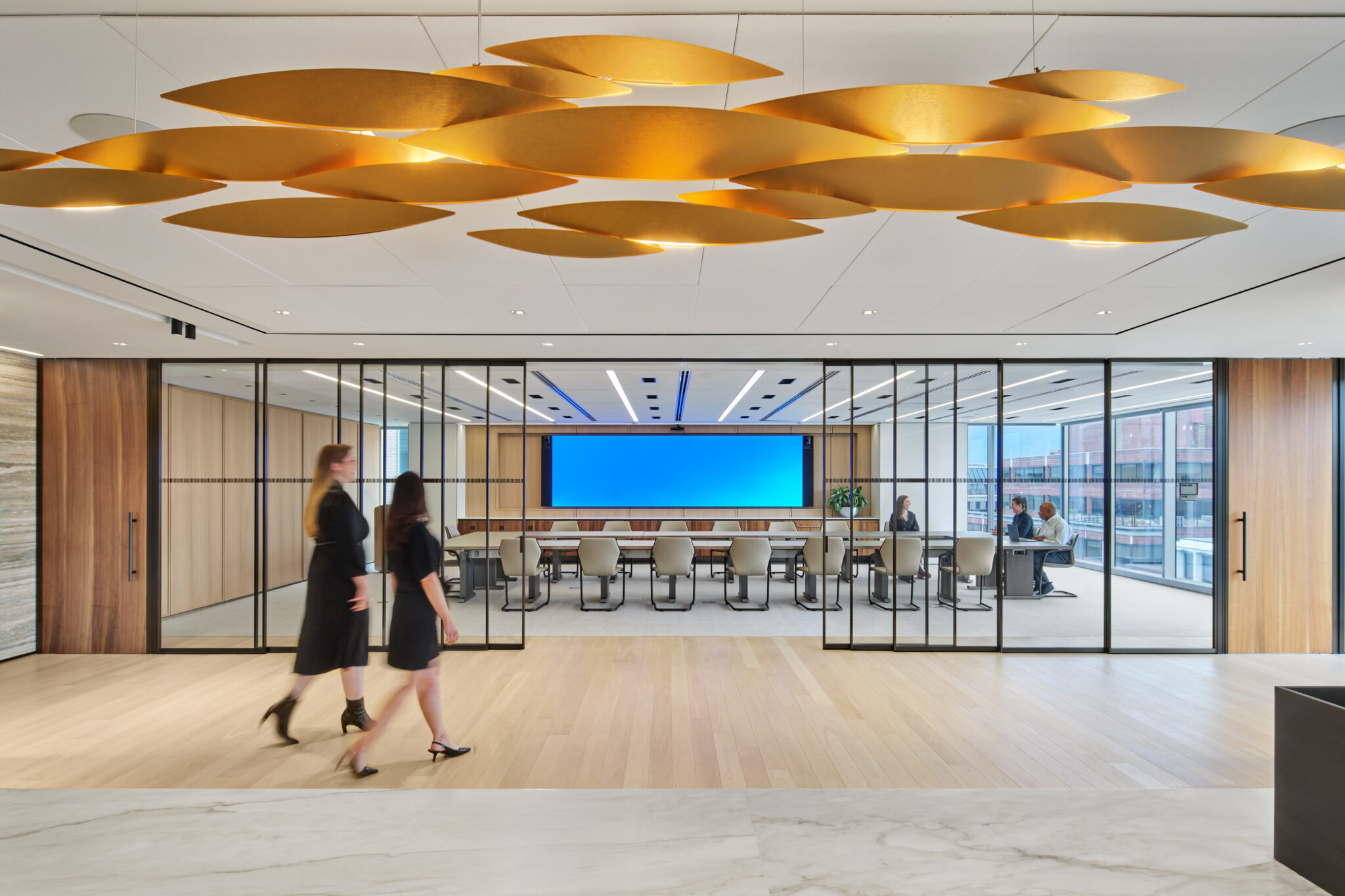
TAD’s relationship with JPMorgan Chase began years before the 270 Park Ave. Project and spans a broad range of projects, from executive briefing centers to digital art installations, and workplace strategy. The work has crossed geographies, business groups, and project types, yet a consistent thread connects each project: a shared interest in understanding how space, technology, and content shape experience. The result is a headquarters at 270 Park Ave. based on experience design standards.
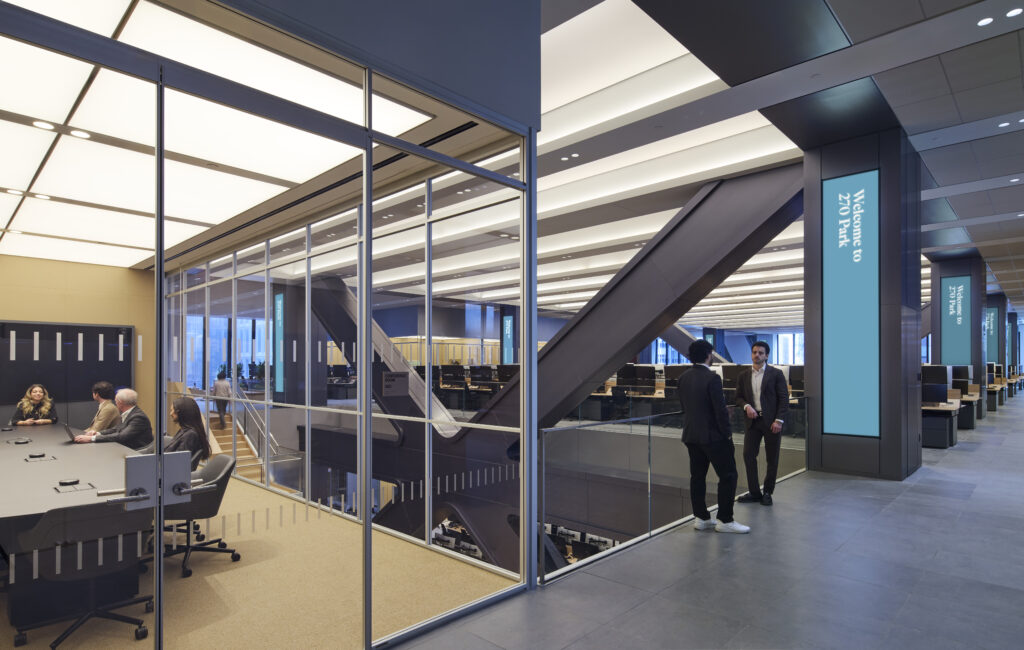
Experience as Storytelling
One of the earliest projects TAD was asked to consult on was a proposed Executive Briefing Center in Palo Alto. JPMC envisioned the facility as a destination for prospective clients exploring emerging financial technologies and digital services. The environment functioned much like a technology laboratory, giving visitors the opportunity to encounter innovation firsthand through demonstrations, and questioning how the environment could create meaningful interactions. The idea that technology mattered but the human experience was paramount would reappear in many future projects.
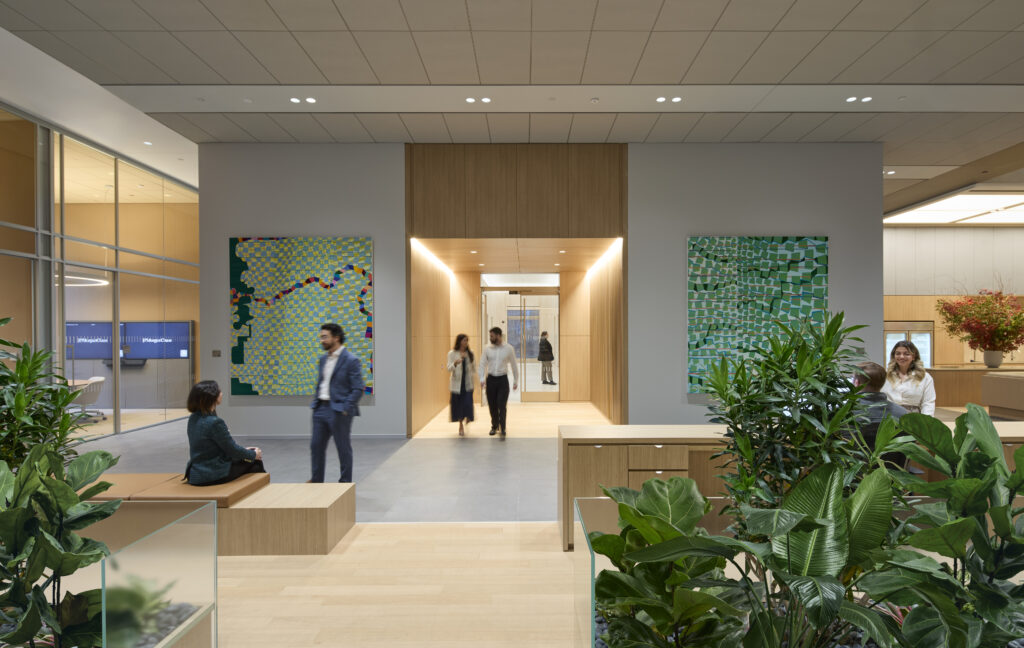
Experience as Behavior
The development of JPMC’s new headquarters at 270 Park Avenue became a defining moment in the evolution of that thinking.
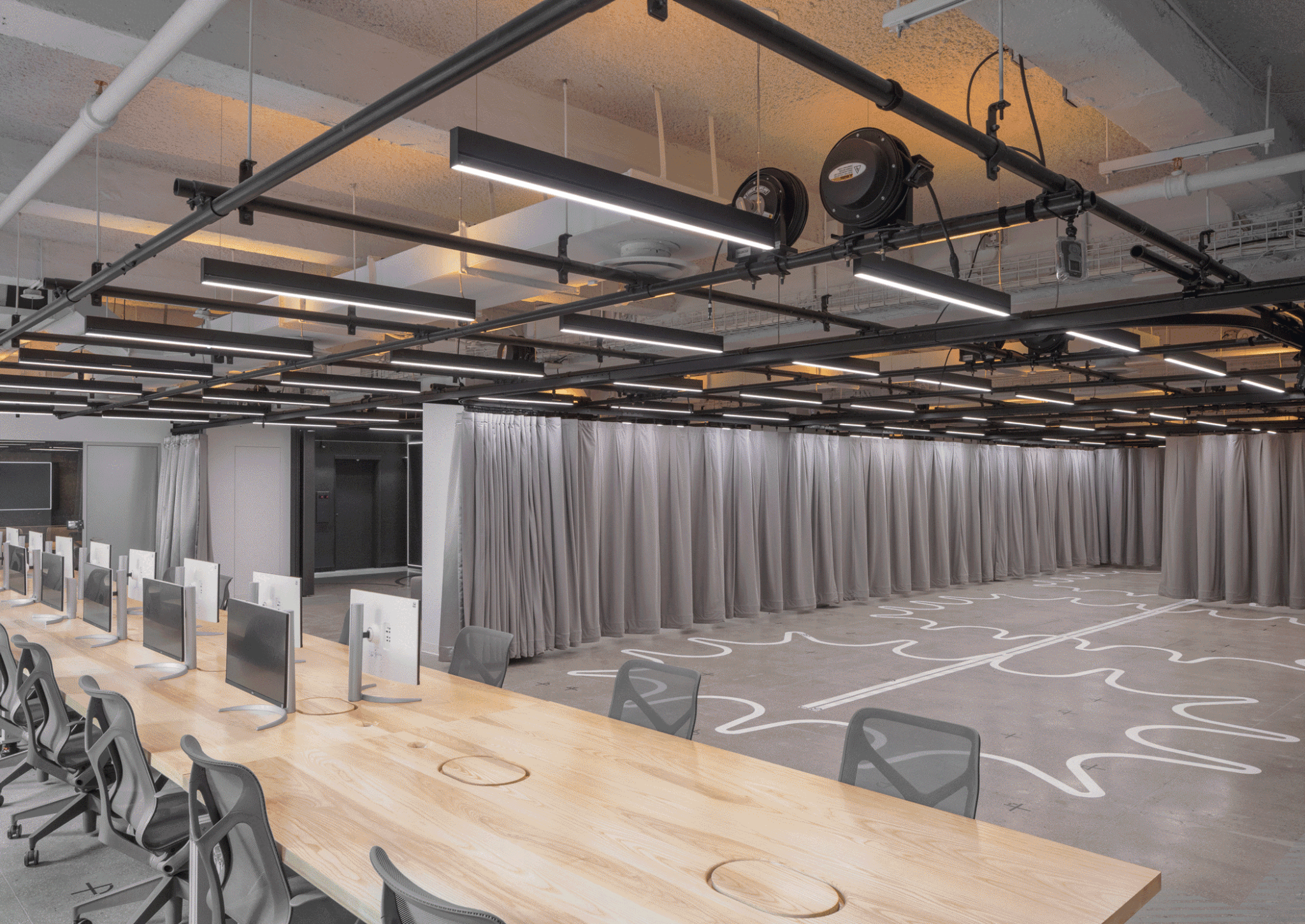
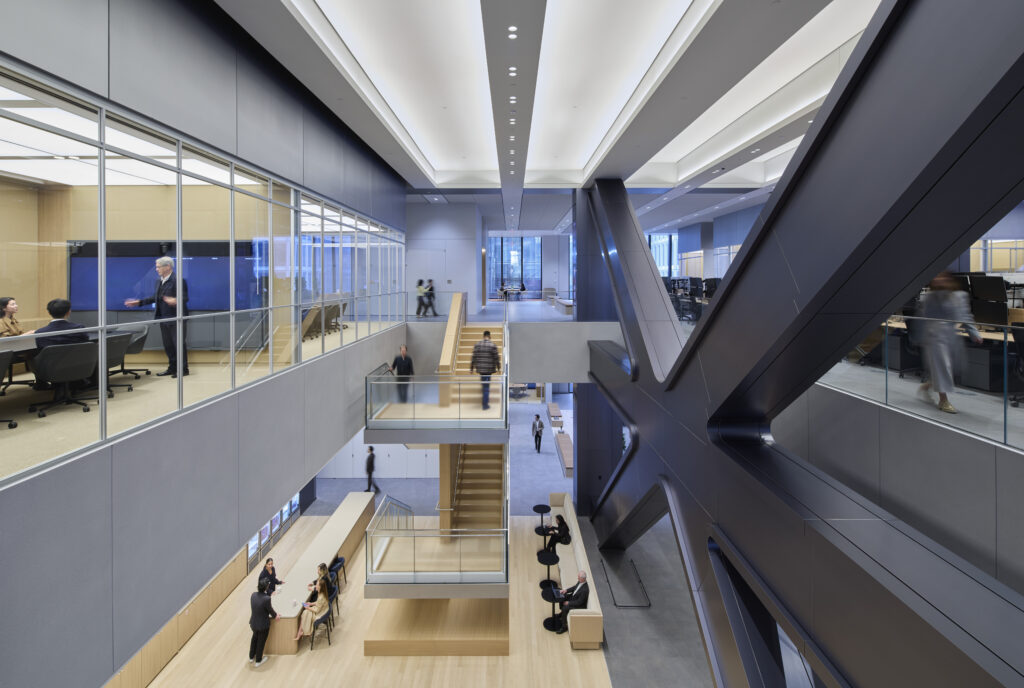
The project created an opportunity to examine how people use their workspace and whether long-established planning assumptions reflected contemporary work. Research revealed, for example, a practical threshold for collaboration. Groups of roughly twelve people could sustain active participation and discussion. Beyond that, meetings became more structured and presentation-oriented.
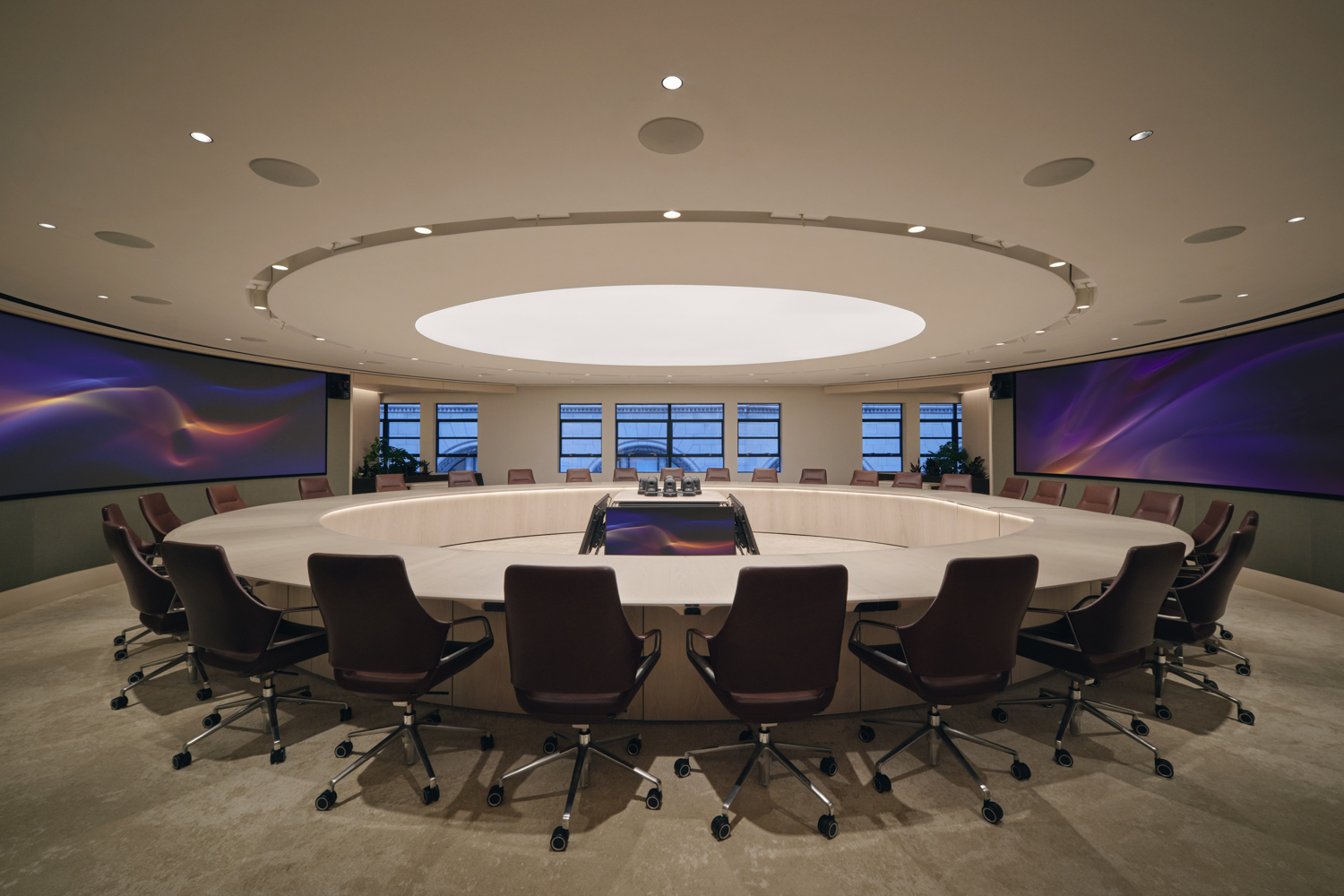
That same thinking extended to the technology itself. Working with Leon Speakers, we developed custom conference-room enclosures that integrated displays, cameras, and speakers while allowing the configuration to adapt to each space. Cameras could move above or below displays, finishes could respond to the interior design, and the entire assembly could be removed as the programmatic needs of the room evolved.
In key executive spaces, the design went further, responding directly to how people worked and communicated every day. Displays were large and present enough to support the exchange of ideas without interrupting the natural flow of conversation. Depending on the setting, that could mean an immersive large-format LED or a monitor integrated discreetly into furniture. Cameras were similarly positioned to achieve broadcast-quality coverage while remaining visually quiet and minimizing the distraction of movement within the room.
Together, these insights had a significant impact on room planning, furniture arrangements, technology systems, and even the size and quantity of room types. Standards were developed around the experience each space needed to support, rather than around predefined products or vendor SKUs. Technology became a response to how the room was intended to work.
This shifted the conversation from standardizing equipment to standardizing experience. The resulting framework could remain consistent across the organization while allowing the specific technology, configuration, and design of each space to evolve. That perspective has continued to influence subsequent workplace projects across the organization.
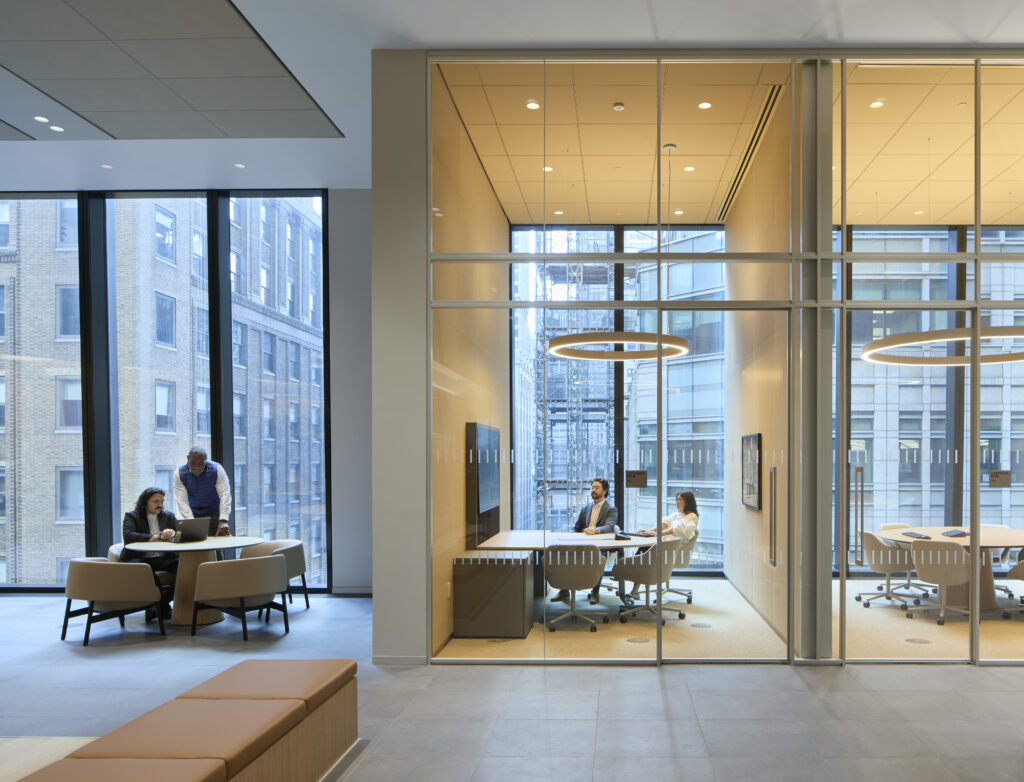
Experience as Place
JPMC’s Glasgow campus expands the conversation into the world of digital art.
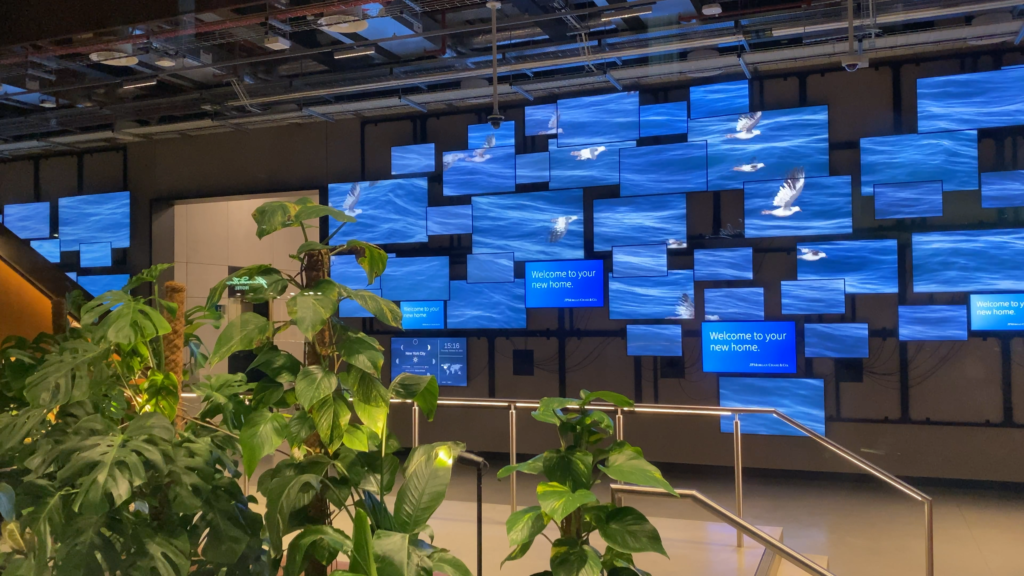
The centerpiece of the project is a 150-foot digital installation inspired by the River Clyde. As their first hub bringing tech folks under the same roof, the unifying message symbol of the river metaphor might even be more relevant.
“What is a river but a multitude of little streams?” (Alice Walker)
The installation represents the rivers from JPMC’s tech hubs around the world, drawing on location data for weather, light, and motion to generate a continuously evolving digital landscape.
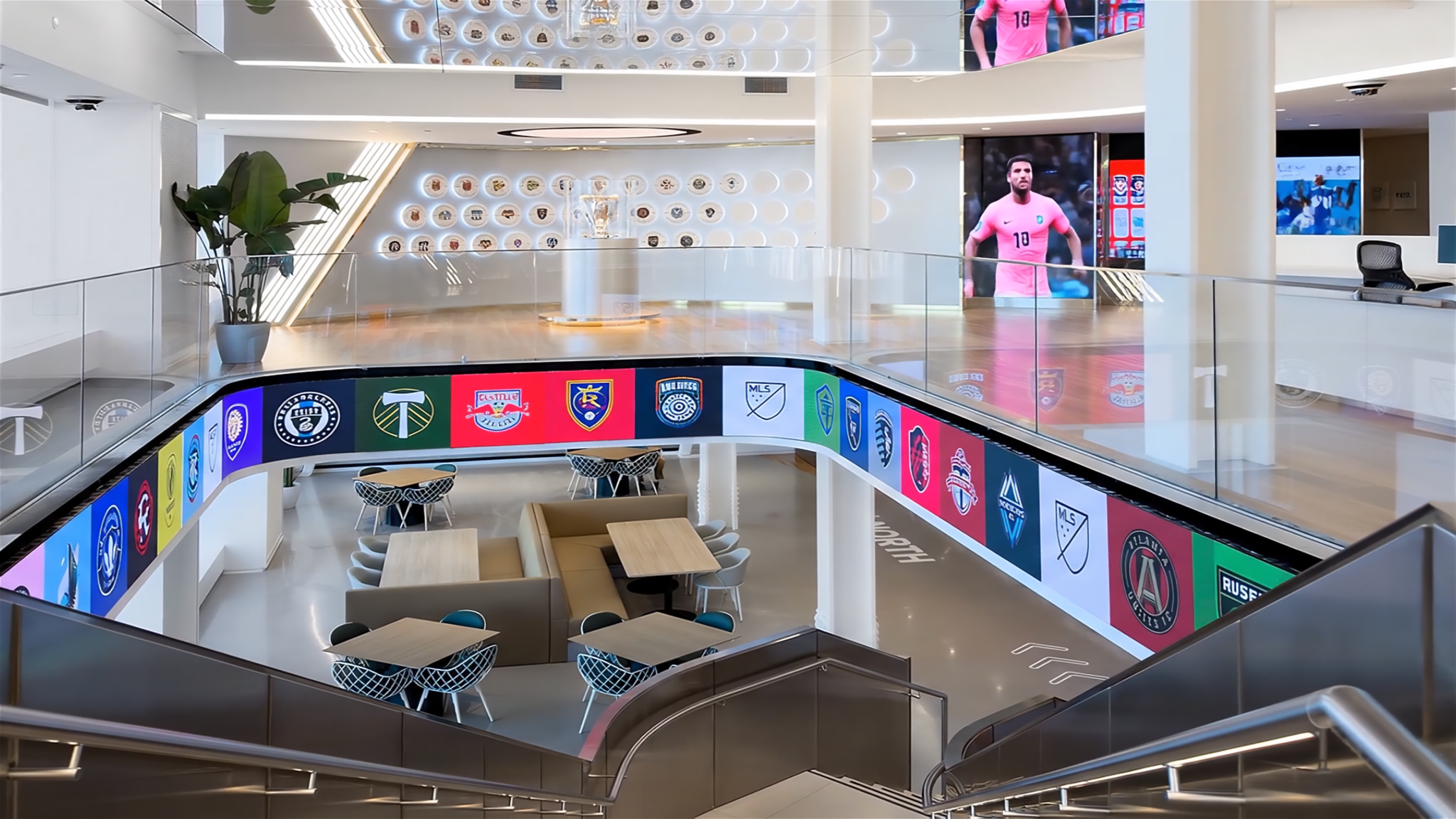
The wall serves multiple purposes. It supports communications, celebrations, commemorations, and organizational messages while contributing to the identity of the space. Employees encounter a digital expression of place that is rooted in local context while reflecting connections across JPMC’s global network.
The project reinforced another important lesson. Screens alone do not create experiences. Content, narrative, and context matter just as much as hardware. The questions surrounding what appears on a display can be as important as the technology behind it
From Projects to Principles
At 270 Park, and beyond, the following questions informed the technology design:
What is this space meant to do?
Who is it meant to serve?
What is it meant to achieve?
How will its success be measured?
These questions ultimately informed the development of JPMC’s Global Experience Design Standards initiative expanding the traditional definition of standards to include architecture, furniture, IT infrastructure, content, operations, and user experience. The intention was to document the behaviors and business outcomes each type of environment was expected to support and establish a framework for evaluating how well completed projects aligned with that original intent.
A Continuing Evolution
The most valuable outcome of the 270 Park Ave. Project has not been a single space or a technical solution. It has been the development of a common language for discussing engagement. Our vocabulary has gradually expanded beyond technology toward a broader fluency of how people, place, content, and environment work together to create meaningful experiences.