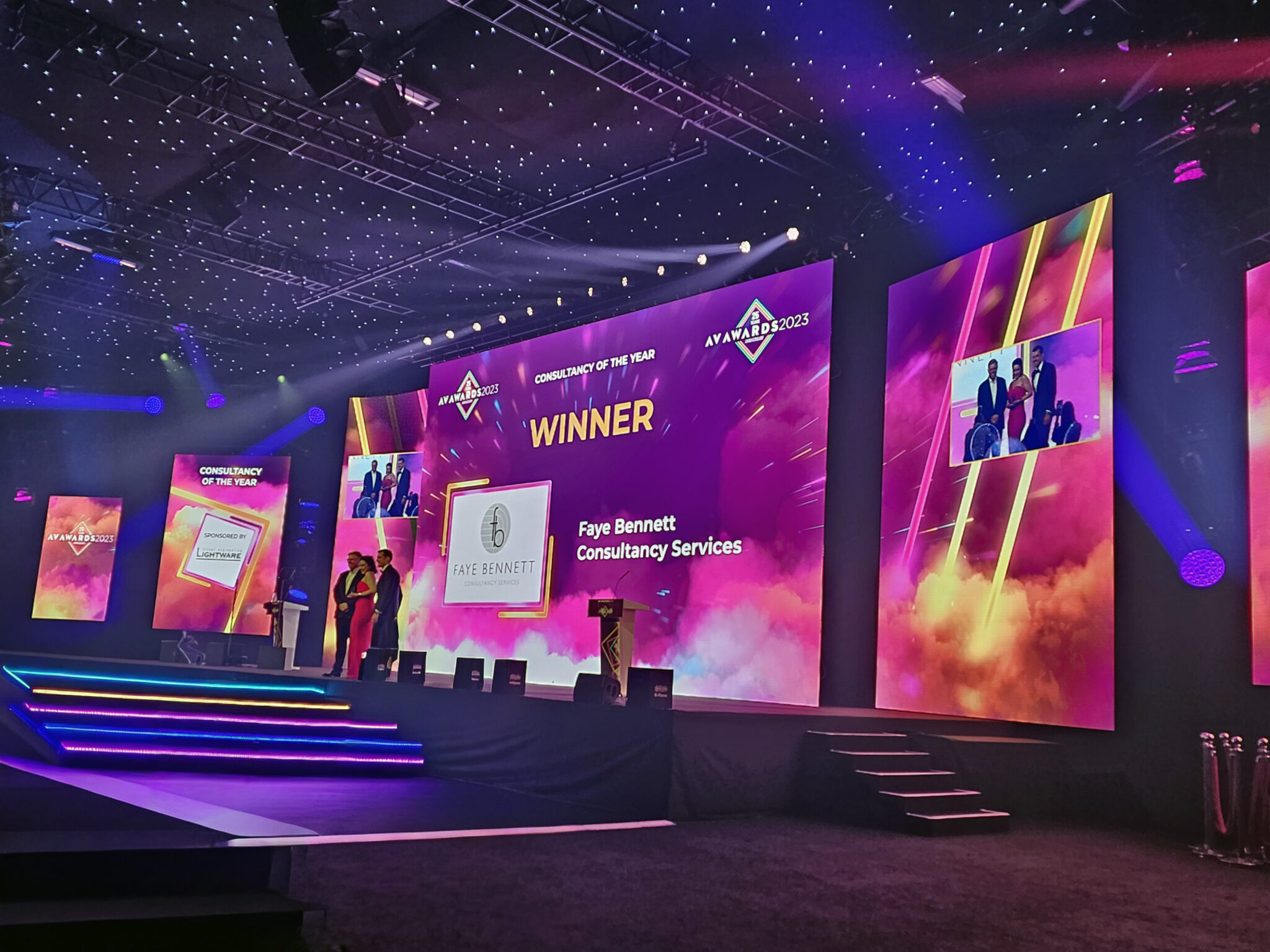
In an industry defined by constant evolution, perspective matters. The ability to step back, observe patterns, question assumptions, and learn from the work of others is what pushes the field forward.
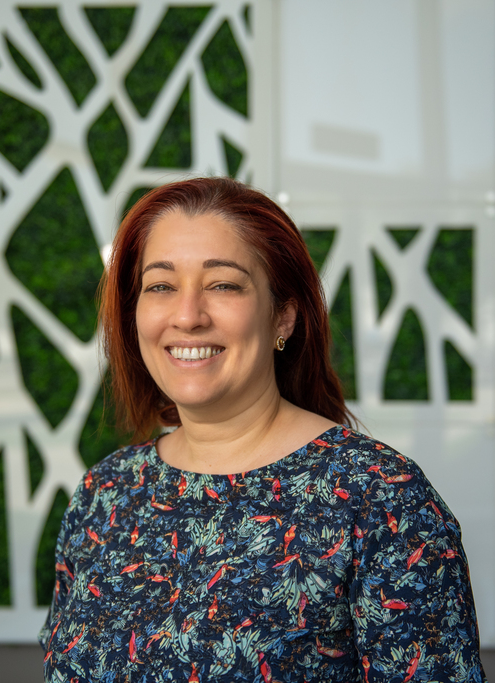
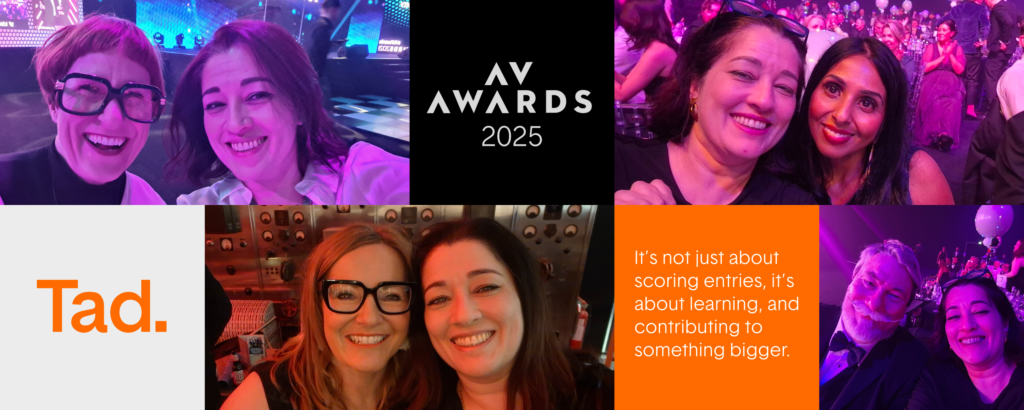
As part of Women’s History Month, we’re spotlighting Emma Bigg, Project Manager at TAD and a five-time judge for the AV Awards. Through years of evaluating projects from across the global AV industry, Emma has gained a rare vantage point: one that reveals not just where the industry is today, but where it’s heading.
What began as professional curiosity has become an annual opportunity for reflection, learning, and dialogue; one that continues to shape how she approaches her work.
A View from the Front Row
The judging process is far more than a scorecard. Each project is first reviewed individually before judges come together for collaborative discussion, where context, intent, and execution are debated.
For Emma, this combination of structured review and open dialogue is what gives the process its depth.
Over the years, she’s also seen the judging criteria evolve alongside the industry itself. One of the most significant additions has been sustainability, now formally embedded into how projects are evaluated — a sign that environmental responsibility is becoming a core part of AV design.
She has also seen the lasting influence of the pandemic on project submissions. Many entries now reflect hybrid-first thinking, with collaboration tools and immersive environments designed to bridge physical and digital spaces more seamlessly.
Trends That Matter
Reviewing hundreds of projects over multiple years has allowed Emma to identify patterns shaping the industry.
Among the most visible shifts are the rise of LED technologies, the expansion of AV-over-IP infrastructures, and the increasing convergence of AV and IT. These changes are reshaping how systems are designed and demanding broader skill sets from AV professionals.
At the same time, certain challenges appear again and again in submissions.
Interoperability and cybersecurity remain key hurdles as AV systems become more networked and complex. Designing solutions that are both flexible and secure requires teams to think beyond individual products and consider the entire ecosystem.
But Emma believes one critical element still deserves more attention: audio quality.
In an industry often captivated by visual spectacle, sound can become an afterthought, even though it has a profound impact on how people actually experience a space.
Another trend that continues to impress her is the ingenuity of smaller teams.
Advice for Entrants and the Industry
When asked what advice she’d give to anyone submitting for the first time, Emma doesn’t hesitate: Be clear. Be specific. Skip the fluff.
The strongest entries focus on substance rather than marketing language; providing technical detail, context, and measurable outcomes that allow judges to understand what truly made the project successful.
More broadly, Emma believes the industry should continue pushing forward in three key areas:
- Sustainability, not just in materials but in system lifecycle planning
- Longevity and serviceability, ensuring systems can evolve over time
- Human-centered design, where technology supports real user needs
A Bigger Picture
What keeps Emma returning to the judging panel each year is the sense of perspective it brings.
Evaluating work across the industry offers a powerful reminder of both the creativity and responsibility that come with designing technology-driven experiences.
“The independence of the AV Awards judging process is what makes it stand out. There’s no commercial influence, just a fair, rigorous system that values merit over marketing.”
As someone who spends most of the year designing systems and one week evaluating them, Emma sees the same truth from both sides: what we build matters and how we build it matters even more.
At TAD, we’re proud to have voices like Emma’s contributing to broader industry conversations because progress doesn’t come from working in isolation. It comes from professionals who stay curious, challenge assumptions, and keep learning from the work around them.